

### Blog Post:
Modular furniture solutions are transforming small and medium-sized homes by helping you reclaim every inch of space with clever, customizable pieces. Whether you’re a city-dwelling professional or a small-family homeowner, the right combinations can deliver comfort, style, and serious square footage savings—all without breaking the bank or sacrificing aesthetics.
Key Takeaways
- Modular furniture solutions adapt to changing needs and maximize your living space with multi-functional design.
- Choosing the right space saving furniture increases long-term value while reducing clutter and waste.
- Smart material choices and regular upkeep make modular systems last longer and stay looking sharp.
- What are modular furniture solutions?
- Why choose modular and space saving furniture — core benefits
- Unique insight: modular furniture as a lifecycle investment
- Top modular and space-saving product types (with quick pros/cons)
- How to choose the right modular solution for your space
- Installation, maintenance, and longevity tips
- Budgeting: cost, value, and ROI of modular vs. conventional furniture
- Sustainability and materials: what to look for
- Real-life mini case studies / room-by-room configurations
- Where to buy and compare modular systems
- Quick buying and installation checklist (TL;DR)
- Conclusion and next steps
- FAQ
What are modular furniture solutions?
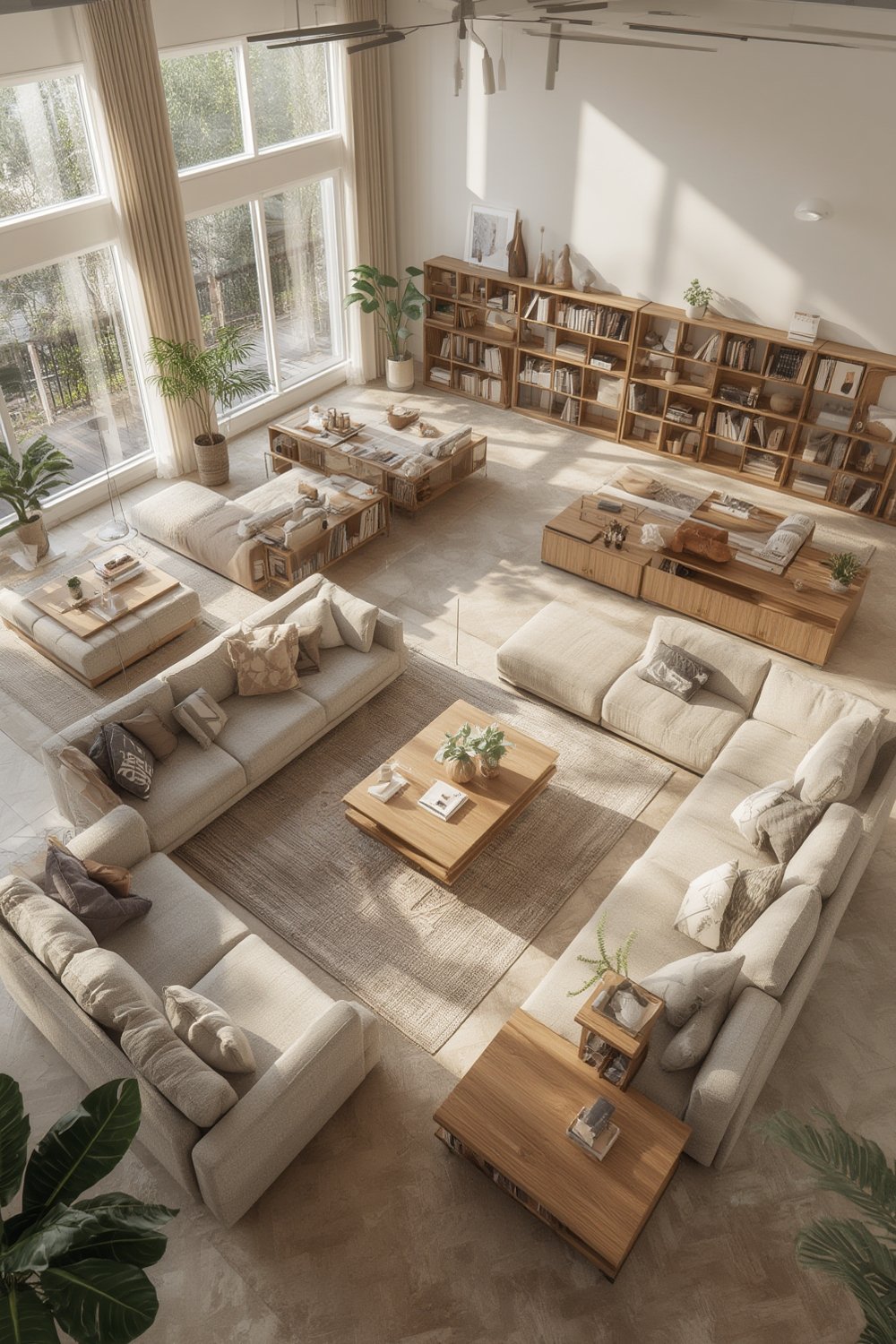
Modular furniture solutions are made up of individual components that can be reconfigured, expanded, or combined in a variety of ways. Unlike fixed, one-function pieces or generic flat-pack furniture, modular systems are intentionally designed for interchangeability, scalability, and multi-purpose use. You can add or subtract sections, swap out modules, or transform one core piece into several functional roles. For example, a Modular sofas can expand for movie nights, shrink for guests, or split apart as accent chairs. This adaptability is critical for people living in small apartments or compact houses. According to rising trend data, searches for hidden & smart storage systems and modular furniture have grown as urban dwellers crave more from less space.
Why choose modular and space saving furniture — core benefits
Choosing space saving furniture built on a modular system means you can adapt your home as your needs change—no costly full-room overhauls required. Modular solutions eliminate wasted space, letting you blend storage, seating, and sleeping into surprisingly tight square footage. Picture a stylish ottoman hiding blankets or a folding desk doubling as a dinner table. Financially, modular setups offer long-term savings through easy upgrades and lower moving costs. Emotionally, they help control clutter, making it simpler to maintain a minimalist—and stress-free—lifestyle.
Browse more bathroom remodel ideas to find clever space saving concepts for other home zones.
For practical proof, Handoff.ai reports rising searches for solutions that maximize floor area without sacrificing style.
Unique insight: modular furniture as a lifecycle investment
Modular furniture solutions aren’t just a quick fix—they’re a true investment that adapts with you. Single person today? Buy the core system. Become a couple or grow into a family? Add-on modules or reconfigure the layout. Instead of replacing entire sets, you just swap or expand as life changes. This approach dramatically reduces both your cost and the amount of furniture headed to landfill. Many direct-to-consumer brands now support easy module addition and resale, lessening waste versus conventional furniture turnover (Pro Tool Reviews highlights modular garden and home upgrades that scale with your needs).
Top modular and space-saving product types (with quick pros/cons)
- Modular sofas: Snap-together sections form sofas, loveseats, or daybeds.
Pros: Ultimate flexibility, easy to clean, adjust size for guests.
Cons: Some models look boxy, connectors can wear out. - Wall-mounted fold-down desks/beds (Murphy): Hide away when not needed.
Pros: Massive room-saving, ideal for studios or offices.
Cons: Often require wall-mounting skills, pricier upfront. - Stackable storage cubes: Build vertical or horizontal layouts.
Pros: Customizable, easy to move.
Cons: Lower-weight capacity; open models show clutter. - Extendable dining tables: Expand for gatherings, shrink for daily use.
Pros: Multipurpose, compact.
Cons: Can be heavy, mechanisms may jam. - Multi-use ottomans with storage: Hidden space for linens, toys, more.
Pros: Versatile, great for tight rooms.
Cons: Not all models are sturdy. - Modular closet systems: Shelves, drawers, and rods you move as needs shift.
Pros: Tailored organization.
Cons: Can be costly if fully built-out.
When choosing, match the type to your space and how often you’ll rearrange.
How to choose the right modular solution for your space
Ready to level up your interior? Follow these steps for best results:
- Measure every wall, door, and walkway—modular pieces need precise fit.
- Map out core needs: sleeping, working, eating, socializing. Match functions accordingly (e.g., if you host, prioritize seating/dining interchangeability).
- Balance modular utility versus your style. Will bright storage bins clash, or do you want all-neutral builds?
- Check load capacity and primary materials. Sturdy wood/metal lasts much longer than particleboard.
- Plan for change: pick lines with easy add-ons or reassembly, and make sure you can get replacement modules locally.
- Factor in transport and installation—will you DIY, or is a professional needed for wall mounts?

For help maximizing tricky closets or built-ins, see our custom closet organizers and smart storage system tips.
Installation, maintenance, and longevity tips
Proper setup and routine checks mean your modular furniture solutions will stand the test of time. Always use the right fasteners and double-check all connections after heavy use or moves. Do seasonal checks for loose bolts or sagging shelves, especially in high-traffic pieces like modular sofas and stacked storage. Maintain finishes by dusting and spot-cleaning with the proper cleaner for wood, metal, or fabrics. Upgrade or refresh by simply swapping worn cushions, changing panel doors, or adding new modules as needed. Avoid dragging large units—disassemble and transport in parts to prevent stress cracks.
Regular maintenance and the ability to replace only worn parts are major advantages over traditional furniture, keeping your system fresh and functional for years (Pro Tool Reviews experiences similar benefits in garden upgrades).
Budgeting: cost, value, and ROI of modular vs. conventional furniture
Initial modular furniture solutions can be pricier than cheap flat-pack sets, but their real-world ROI is much higher. If you move frequently or your household is growing, modular setups pay for themselves via adaptability and built-in upgrade paths. You’ll save on transport and avoid full replacements thanks to add-on modules and parts. Many systems also maintain strong resale value, especially well-known brands or custom, solid-wood units. Plus, you toss less furniture, translating to genuine economic and environmental savings.
When budgeting, consider:
- Upfront cost for core pieces and any must-have add-ons
- Estimated costs for future expansions or replacements
- Value retained for resale or gifting
- Potential savings on labor (if DIY-friendly)
Looking for where modular wins most? Frequent moves, evolving family needs, or combining studio living with home working show the biggest long-term return (Handoff.ai’s market data shows a major jump in search intent for solutions that grow with you).
Explore our energy efficiency upgrades for more cost-saving home investment tips.
Sustainability and materials: what to look for
Sustainability matters—especially if you move often or want your modular system to last decades. Opt for solid woods or high-strength recycled metals for main frames, since these age better and can be refinished or recycled. Look for low-VOC (volatile organic compound) finishes and textiles that can be replaced easily (like removable cushion covers). The modular model itself fights waste by letting you keep the “bones” of your furniture, discarding only what’s broken or worn (Decorilla also highlights bathroom upgrades using eco-friendly modular parts).
When shopping, check for:
- FSC-certified or reclaimed woods
- Powder-coated steel or responsibly sourced aluminum
- Clear recyclability info from brands
- Brands providing spare parts and repair guides
More young shoppers now demand eco-comfort textiles as part of their home investment—a perfect match for modular’s reduce-and-reuse strengths.
Real-life mini case studies / room-by-room configurations
- Studio Apartment:
Setup: Wall-mounted Murphy bed + stackable storage cubes.
Product picks: Compact Murphy with bookshelf fold-front, 4–6 white modular cubes for entry storage.
Tip: Mount cubes vertically beside the bed to free up floor space. - Small Family Living Room:
Setup: L-shaped modular sofa (cores + ottoman) + modular wall-mounted shelves.
Product picks: Neutral sectional from Burrow/Joybird, lightweight open shelving.
Tip: Separate sofa modules for playdates or guest seating; shelving doubles as display and workspace. - Home Office/Guest Room:
Setup: Fold-down desk + Murphy bed.
Product picks: Floating desk with hidden cable trays, integrated bookshelf Murphy.
Tip: Choose models that allow “quick switch” (no tool) between sleep/work modes.
For closet-specific inspiration, check the best custom closet organizers products.
Where to buy and compare modular systems
Ready to start shopping? Here’s how to narrow the field:
- Big box/marketplace: IKEA, Wayfair, and West Elm offer solid starter sets and great return policies.
Best for: Budget shoppers or those wanting quick upgrades. - Direct-to-consumer brands: Companies like Burrow, Floyd, and Article specialize in modular furniture solutions, offering better modular options and warranties.
Best for: Customization, easy add-ons. - Custom/local carpenters: Pricier, but best for unique spaces or long-term needs with guaranteed add-on/fix options.
Best for: Unusual layouts or premium finishes.
Always read warranty and return terms, check for long-term add-on availability, and ask about spare part support. If eco-friendliness matters, request recycling info or certifications from the brand.
For a deep dive on smart storage, don’t miss the hidden & smart storage systems.
Quick buying and installation checklist (TL;DR)
- Measure every wall, entry, and path before buying space saving furniture.
- List your top 2–3 required functions (sleep, work, socializing, storage).
- Pick a modular type that fits your main need and space shape.
- Double-check all dimensions before ordering—refer to manufacturer diagrams.
- Look for sturdy, low-maintenance materials and check warranty details.
- Plan for how modules arrive and assemble—will you need a helper?
Download our full modular furniture solutions buying checklist, or use online room planners for configuration help.
Advanced Analysis & Common Pitfalls
Even the best modular furniture solutions can trip up first-timers. Here’s what to watch for:
- Overestimating fit: Modular modules add up quickly. Double-check total dimensions once assembled. Many returns come from units that almost — but not quite — fit the full wall.
- Assembly complexity: Wall-mounted Murphy beds and some closet systems may need pro installation. Avoid drilling into unknown wall types; missteps can cause damage or accidents.
- Hidden cost: Adding-on over time can mean mismatched upholstery or color fading. Brands may switch designs or discontinue modules, so always check for ongoing compatibility.
- Maintenance gaps: Snap connectors and hinges need routine tightening. Neglecting this leads to wobbly or unsafe units.
- Material fatigue: Budget lines using particleboard will eventually sag with repeated moves or heavy loads. Prioritize solid-core units for most-used modules.
| Modular Furniture | Fixed Furniture | Flat-pack/Generic |
|---|---|---|
| High adaptability, replace or add modules, best for growing families/movers | Permanent setup, hard or impossible to move, only one function | Portable, low price, but poor long-term fit and lowest durability |
| Easy upgrades, high ROI, moderate assembly skill needed | No upgrades, must discard/replace fully, low ROI | Quick to assemble, limited flexibility, cheap parts wear out fast |
Compatibility and easy reordering are key strengths of purpose-built modular lines. In contrast, generic or fixed setups offer limited options and lower resale value. For more dynamic space-saving tips, read about smart home lighting—another way to make rooms feel bigger and more usable.
Conclusion and next steps
Modular furniture solutions deliver outstanding versatility, true space saving furniture benefits, and unmatched long-term value for compact homes. Start by measuring your key spaces, define your primary needs, and test a single modular piece—like an ottoman with storage or a stackable cube set. As your needs change, modular systems grow with you, saving money and hassle along the way.
Want to begin? Download our buying checklist or try a free online room configurator. If in doubt, consult with a local interior pro who specializes in space-efficient, modular solutions. Your future flexible home awaits!
Keep exploring with our guides to eco-comfort textiles and raised garden beds for more smart home upgrades.
FAQ
Are modular furniture solutions worth the higher upfront cost?
Usually, yes. While modular setups may cost more initially, their adaptability, easy upgrades, and longer lifespan deliver better long-term value, especially if your living situation is likely to change.
Can I assemble modular furniture myself, or do I need a professional?
Most modular sets are DIY-friendly, but some units—like Murphy beds or heavy wall systems—require professional installation. Always check the manual and be honest about your skill (and available tools).
How do I know if a modular piece will fit my space?
Measure the available area carefully, consider assembly clearances, and check the manufacturer’s full module dimensions. Many sites offer free room planners or configuration tools—use them before you buy.
What maintenance does modular furniture need?
Perform seasonal bolt and hinge checks, spot-clean all fabrics or surfaces, and replace worn modules (like cushions or panels) as needed. Modular is less wasteful—usually only one piece needs upgrading, not the whole set.
Where can I buy modular furniture solutions that use eco-friendly materials?
Many direct-to-consumer brands (like Burrow, Floyd, or local custom shops) use FSC-certified wood and recycled metals. Always ask for material certifications and look for brands advertising low-VOC or recyclable materials.
—